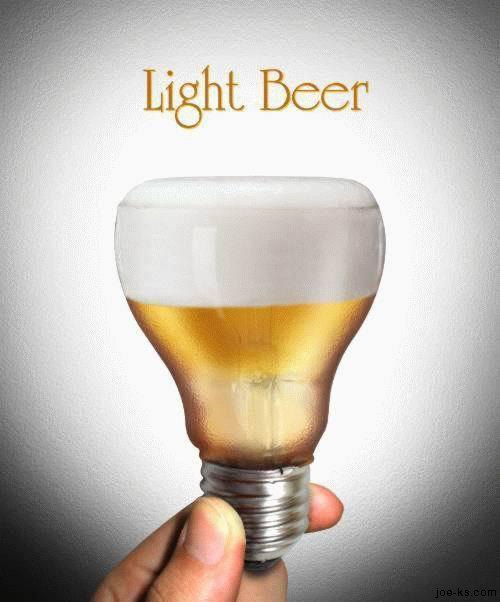
| NotTrue - Lies About Beer By Jim Attacap Many people new to the craft beer scene come with preconceived notions about beer many of which are incorrect. To ease their entry into the world of good beer you might want to dispel them of these common myths. A pale ale is always pale. This distinction is becoming problematic as brewers are taking the notion of paleness in pale ale to mean simply one thing: not black. This was the original meaning of the term in England and Germany when IPAs were invented and most beers were classified as either black, pale or red. Don’t be scared off by a pale ale that looks amber or even brown -- it just means that more of the good stuff has been left in, making for a deeper profile and more layered tastes. Words like “premium,” “cold-filtered” and “no preservatives” actually mean something. Certain buzz words are meant to trigger the impression of quality. It’s not that these claims are false it’s just that they leave a false impression. For example a “premium beer” that contains “no preservatives” can still have next to no taste from being heat pasteurized and brewed with corn and sugar. And cold-filtering can be applied to most beers and does not impact its flavor. Beer is beer, and most people’s palates can't adjust to stronger, more bold tasting brews. It’s true that decades of blond lagers have dulled drinkers’ palates, and that going from being a regular Blue Light drinker to a hoppy IPA is not easy but many craft brewers are creating bridge or gateway beers to help. Try a lighter wheat beer, a Sam Adams lager, or even a Cricket Hill American Ale to set the changes in motion. Dark beers are stronger in alcohol . The color of beer has no relation to its alcohol content. For example, Guinness, one of the most popular dark beers has an alcohol volume of 4.2%, while several light-colored Belgian beers have alcohol content of 8%+. Of course there are dark beers such as imperial stouts that can break the 10% alcohol barrier so the best way to find out a beer's strength is just to ask your bartender or look it up. Imported beers are stronger than American beers. Traditionally, American beers used to measure their alcohol content by weight, while many other countries measure by volume. The alcohol by weight figure will always appear lower than the alcohol by volume – for example, 4% ABW = 5% ABV, hence the myth creation. Recently many American beers have begun listing ABV on their labels. Since it's not required by law many American breweries omit this entirely which also adds to the perception that their beers are lower in alcohol. Beer should be served ice-cold for best flavor. This is an unfortunate myth perpetuated by companies like Coors especially for their lite beers. The fact is, flavor typically diminishes when beer is served ice-cold. It may make for a thirst-quenching beverage, but the chill will not allow any of the beer's nuanced flavors to emerge (assuming they have any) . Some beers are even best served much closer to room temperature or slightly cool such as traditional English brews, stouts, and cask ales. The best beers have green bottles. Sorry, but brown glass is the best color to protect beer from light, which is why it is the most common color used. A shortage of brown glass in Europe during the last century led to many breweries using green glass to bottle their beer – therefore, green bottles represented imported beer for many years and people incorrectly assumed the color indicated a better beer. Clear bottles are the worst for protecting beer but have somehow become one of the best for marketing it. A good beer must be high in alcohol. There are many outstanding beers that are high in alcohol but there are many of poor quality. The same can be said of lower alcohol beers. Some of the famous Belgian and German beers have traditionally high average alcohol content – perhaps 8% or 10%. However, the alcohol content is only one feature and doesn’t necessarily account for the good taste. In England, many of the best mild ales have alcohol content of 4% or less – resulting from a higher tax on stronger beer. Of course, the advantage in finding good-tasting, lower alcohol beer is that you can drink more of it! For the record, a Budweiser weights in around 5% ABV. Beer before liquor, never sicker – liquor before beer, in the clear This common drinking advice is not scientifically true. In reality, alcohol is alcohol, and the overall quantity you imbibe will determine your sobriety or hangover. Drinking beer before drinking hard liquor may prolong the onset of inebriation. However, it won’t ultimately matter whether you drink beer first or last; it’s the quantity of alcohol that does the damage. Lite beers will help you lose weight. On average, a lite beer will have 90- 100 calories, while a regular beer might have around 200. Some Imperial styles may push 400 calories but still, all things considered, lite beers will contribute very little to your dietary goals. When you consider their typical lack of taste, you’d be better off drinking one or two regular beers instead of three or four of the tasteless low cal ones. Taking your beer from a warm to cold to warm environment will "skunk" it. From the brewer to the store to your refrigerator beer will be chilled and warmed up several times. Nothing bad is caused by cooling, warming and then re-cooling a beer. However, extended exposure to extreme temperatures will harm the beer especially if it's a light lager. Many people think that cold to warm to cold will cause a beer to skunk, which is false. Skunking is caused by a reaction between hops in the beer and UV light. It can happen no matter the temperature. |
beernexus.com - SPECIAL REPORT


The real truth about beer
 |
| |
 |
 | |  |